Prepare a Presentation Without the Panic
- Work backward from the presentation date and spread the prep across days.
- Outline your message on paper before opening slides.
- Schedule at least two rehearsals, one out loud and one timed.
- Plan the day itself: arrival, materials, a calm pre-talk routine.
- Capture questions and follow-ups right after you finish.
To prepare a presentation without panic, work backward from the date, outline on paper first, schedule rehearsals and plan the day itself. Most presentation stress comes from compressing everything into the last evening. Spreading the work out is the calmest fix.
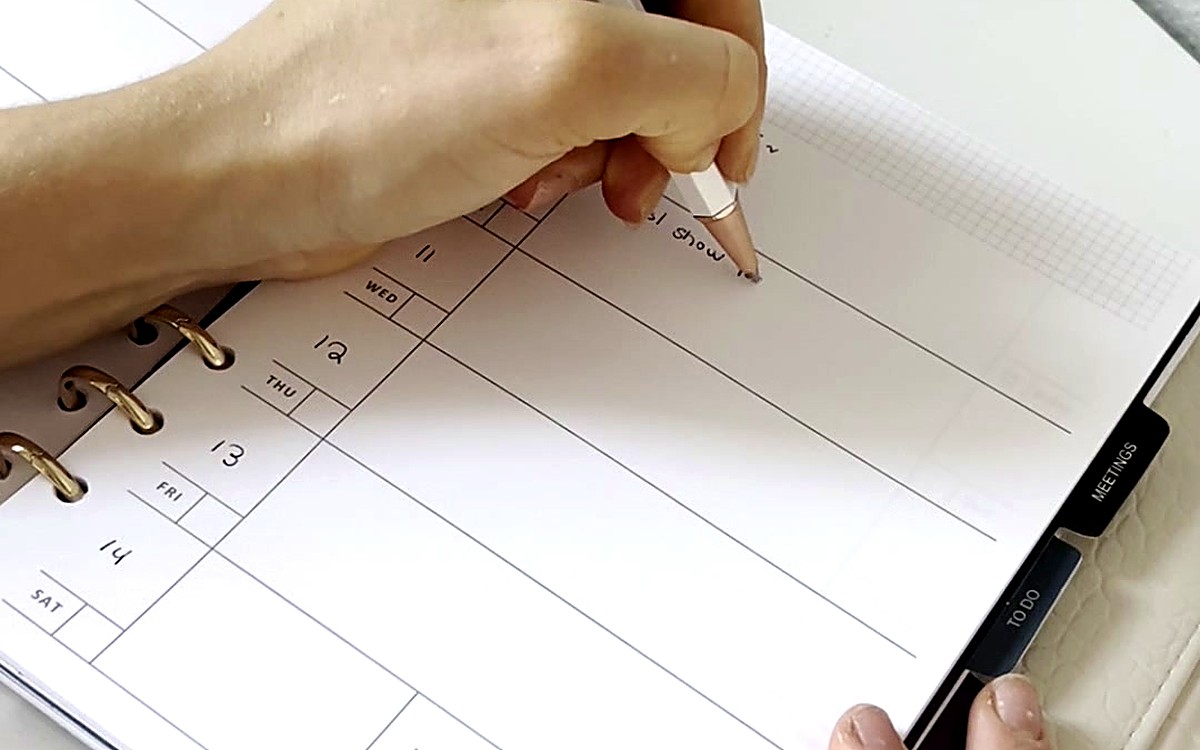
Work backward from the date
Write the presentation date on your calendar, then count back. Assign small tasks to earlier days: gather material, outline, draft slides, first rehearsal, final rehearsal, pack. Each task becomes a manageable block rather than one looming job. Plan a Big Project From Start to Finish uses the same approach for larger work.
Outline on paper first
Before opening any software, write three things on a notes page: who the audience is, the one idea you want them to remember and the three points that support it. Add a story or example for each point. This outline becomes the backbone of every slide.
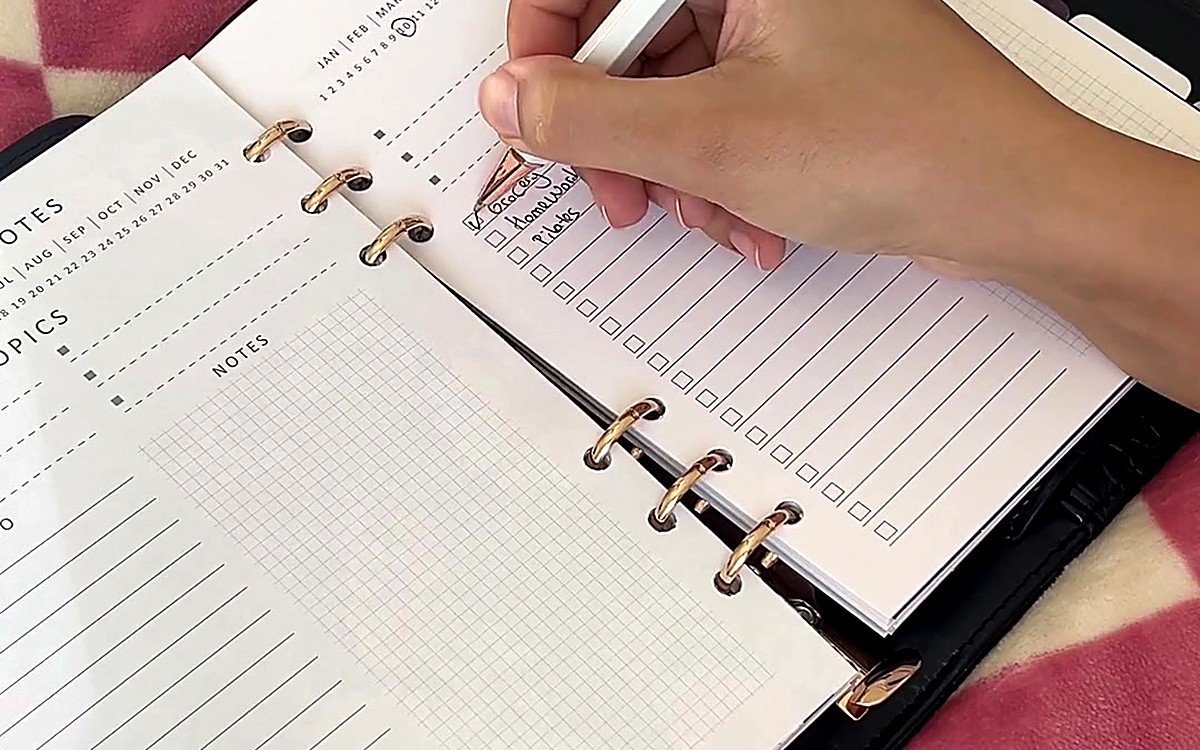
Schedule real rehearsals
Book rehearsals in your planner like meetings. The first run is out loud, alone, to find awkward transitions. The second is timed. If possible, the third is in front of one trusted colleague. After each run, jot down two fixes — no more — so the changes stay focused.
Plan the day itself
On the presentation day, write a short list: arrival time, charger, printed notes, water, a quiet five minutes. A clear page frees your attention for the audience rather than logistics. Carrying your planner into the room also gives you a calm place to glance at your outline. For polished meeting habits, see From Meeting to Coffee: Workday Planning.
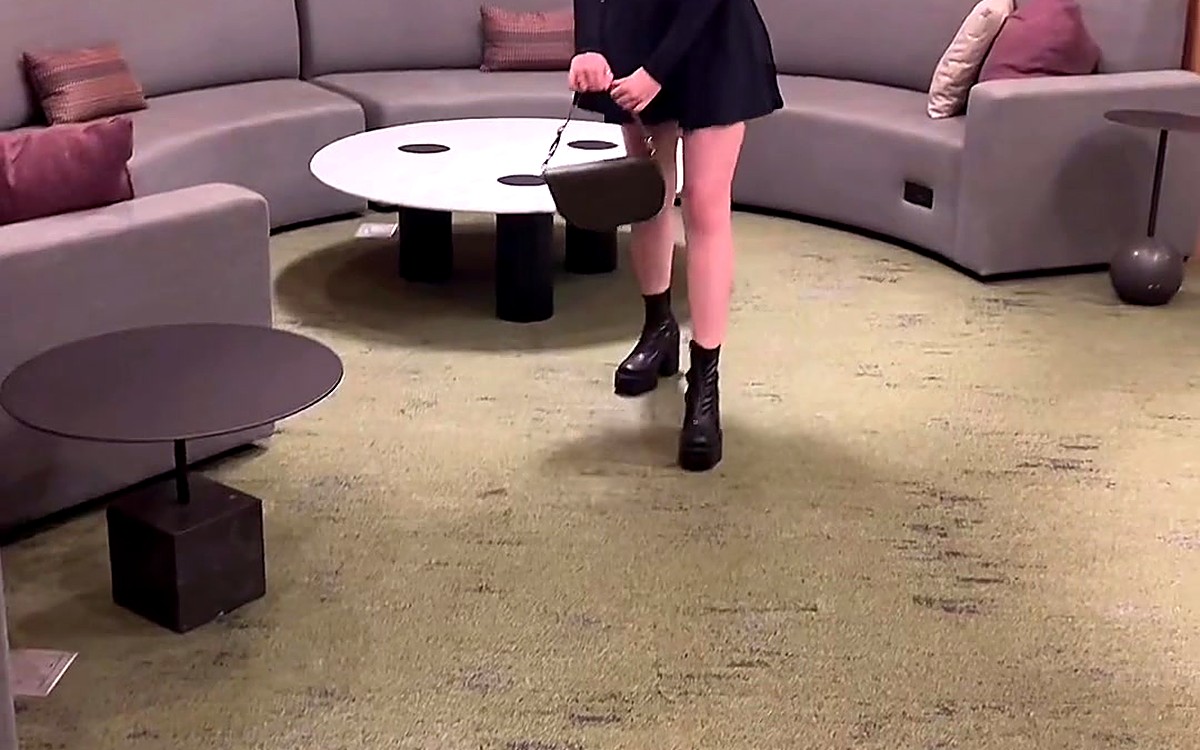
Capture follow-ups right away
Questions you could not answer, contacts who asked for slides, ideas that came up — write them down within minutes of finishing. Then schedule each follow-up. A strong presentation followed by prompt follow-through leaves a lasting impression. Never Lose a Follow-Up Again shows a simple tracking method.
A one-week prep plan
Day one: outline. Day two: draft slides. Day three: first rehearsal and fixes. Day four: timed rehearsal. Day five: light polish and pack. Day six: present, then capture follow-ups. Each day asks for about an hour, and none of them asks for a late night.
Related reading
- Bring Your Planner to a Job Interview
- Deep-Work Focus Blocks in Your Planner
- Meeting Notes That Lead to Next Steps
Where to find EGOSUNNY
Confirm the latest details on the official product page for your market before you buy — sizes, materials, page counts, accessories and colors can differ by version and region. Availability varies by marketplace and season; use the listing for your region for current options.
Prepared on paper. Confident in the room.